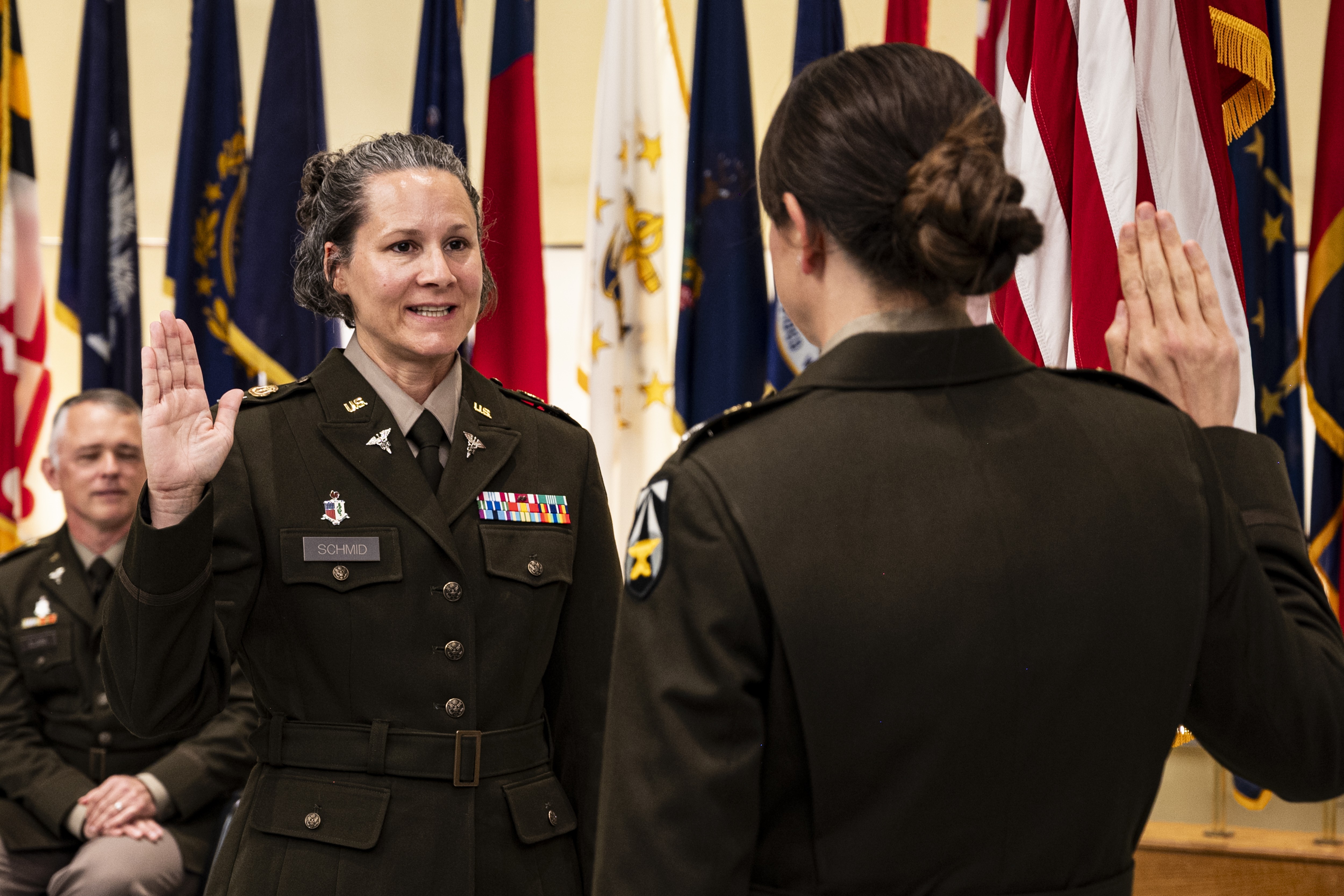
WASHINGTON — The U.S. Army is evaluating refinements to its officer promotion system to better align talent and performance with evolving mission requirements. As part of this effort, the Army Medical and Dental Corps will pilot a program that eliminates traditional zone distinctions and promotion constraints for promotions to the grades of captain and above.
It provides up to five promotion opportunities per grade to enable more agile, performance-based career progression. This pilot represents the first step in a broader exploration of how the Army might transition to a full Alternative Promotion Authority (APA) model, pending future assessment and decisions.
“This change reflects our commitment to a more adaptive and responsive personnel system,” said Albert Eggerton, U.S. Army policy Integrator. “The added flexibility helps maintain consistent promotion flows, reduces the up-or-out pressure, and better supports workforce planning across multiple year groups.”
For decades, the officer promotion system operated under a time-based up-or-out model that limited promotion consideration to a single year group (YG). While this approach provided consistency, it often constrained career advancement for officers with non-traditional, technical, or emerging skill sets.
Congress gave the military services the latitude to modify some promotion processes with an alternative promotion authority (APA) stipulation in the 2019 National Defense Authorization Act. The Army is leveraging it to strengthen its talent management and personnel readiness.
Lt. Gen. Mary K. Izaguirre, the Surgeon General of the Army, said the traditional model can often affect medical professionals the most. “Army Medical and Dental Corps officers in graduate medical education programs may experience slower promotions because of the extensive time spent in medical education,” said Izaguirre.
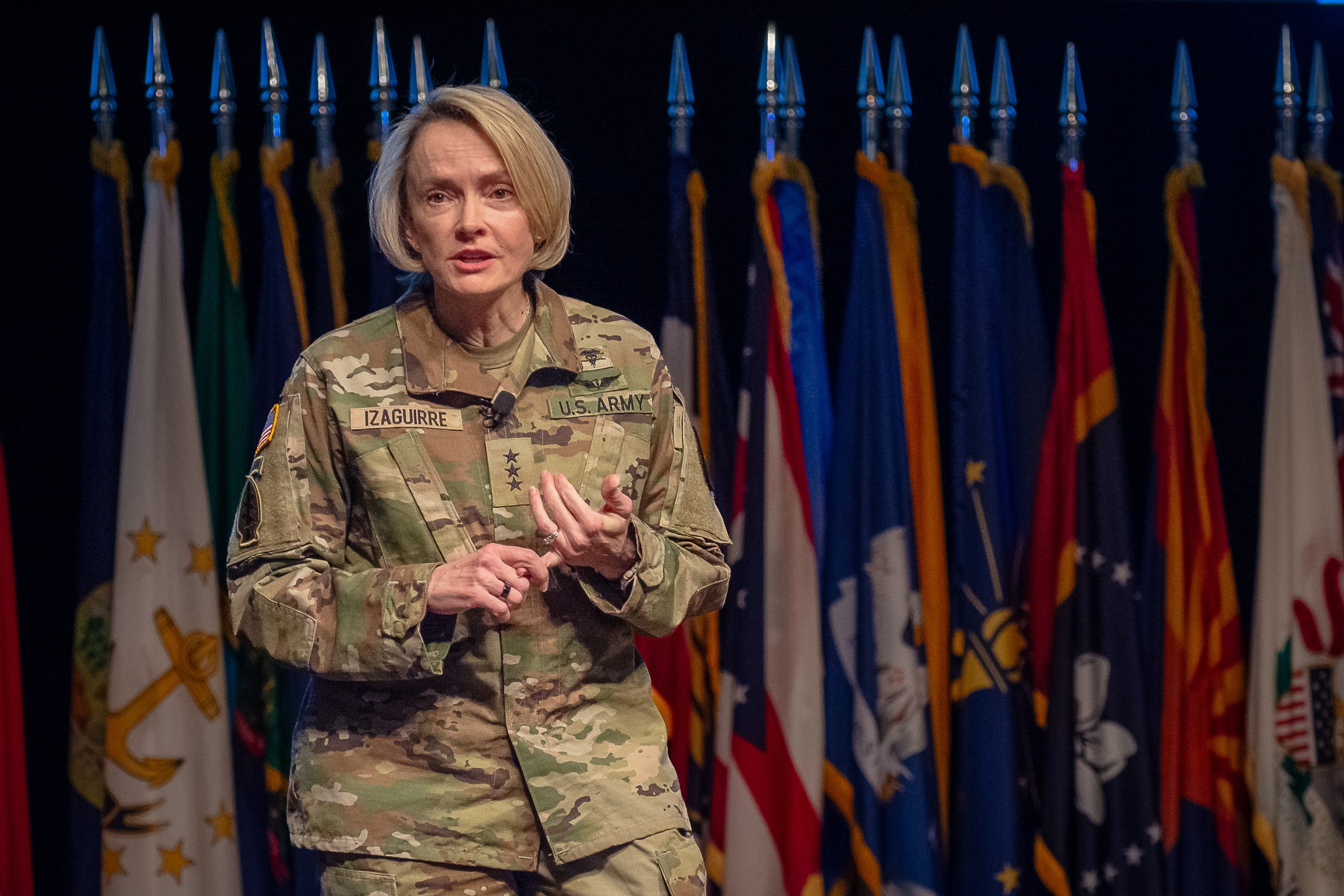
“Giving the military leeway to adjust its promotions under the APA was a great forward-thinking move because it recognized the Army’s constantly growing need for technical expertise and excellence among our officers. It allows the Army to promote, retain and reward the most qualified doctors and dentists to provide the best care to our warfighters and their families,” Izaguirre stated further.
By expanding eligibility to as many as five YGs, APA allows the Army to promote officers based on mission needs, performance and potential rather than solely on time in grade. The change is designed to deepen the Army’s talent pool, enhance retention among competitive YGs and foster career paths that align with both individual development and organizational requirements.
“I am excited to move forward on this pilot,” said Brig. Gen. Gregory Johnson, U.S. Army Director of Military Personnel Management. “APA is one lever that we believe will give the Army the ability to shape flexible career paths for our officers. It shapes the type of experiences we can offer over a career, and I equate that to enhancing our talent and driving readiness.”
The pilot builds on the success of a similar initiative among general officers in the Army Medical Department. Its outcomes will inform whether the Army expands APA-based promotion flexibility across additional competitive categories, supporting emerging talent needs in rapidly evolving technical fields such as software development, artificial intelligence and robotics — areas where traditional promotion timelines can limit agile management of rapidly evolving expertise.
Social Sharing